Overview
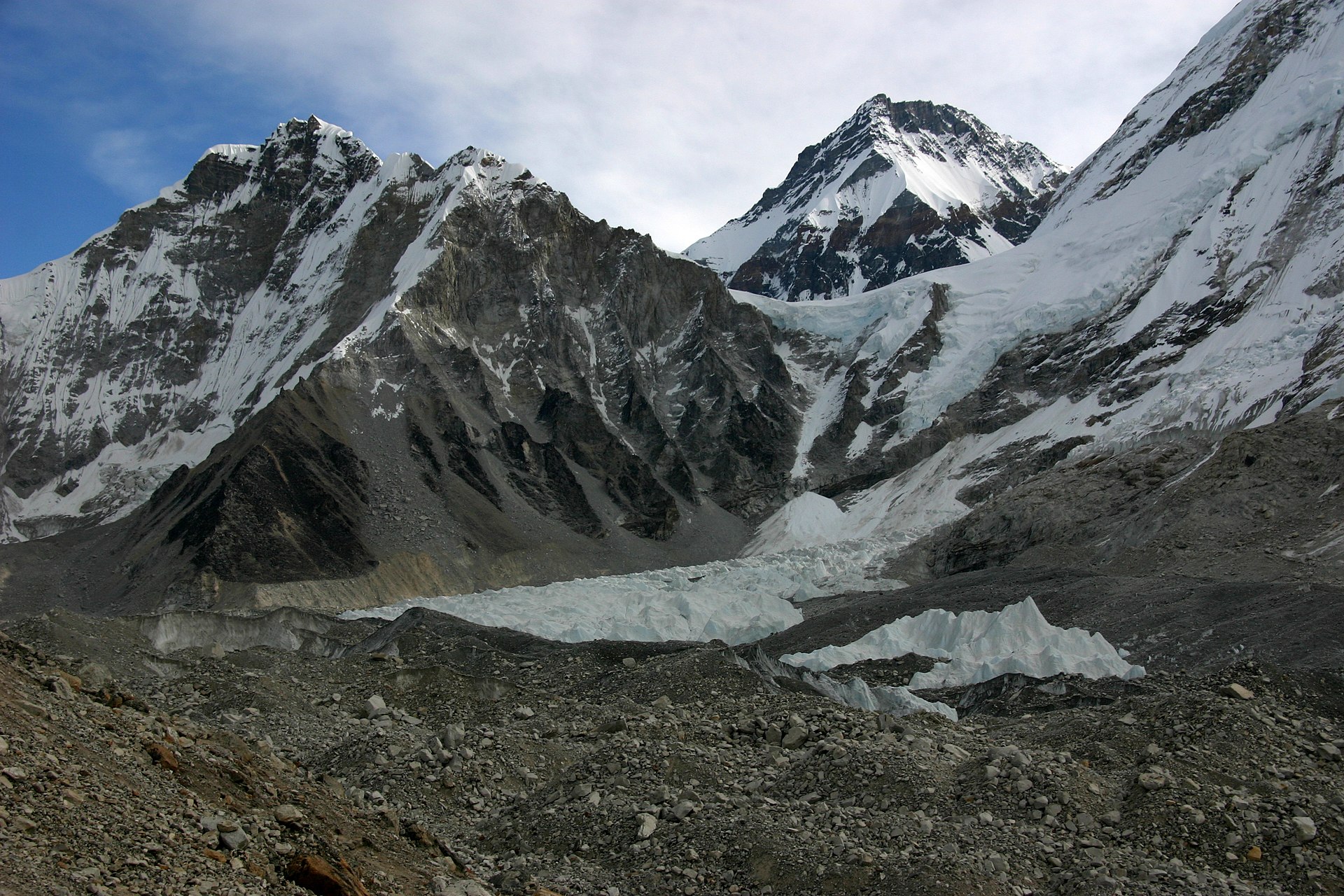
The Everest Base Camp trek is the most iconic high-altitude walk on earth — a 12–14 day journey through the Khumbu to the foot of the world's highest mountain at 5,364 m. You fly into Lukla, climb through the Sherpa heartland of Namche Bazaar, and acclimatise past Tengboche monastery before the final push to Base Camp and the dawn viewpoint of Kala Patthar (5,545 m).
It is a teahouse trek: you sleep in family-run lodges and eat hot meals every night, so you carry only a daypack. No technical climbing is involved, but the altitude is serious and the distance is real — most days are 5–7 hours of walking with sustained ascent. Proper acclimatisation days at Namche and Dingboche are what keep the trek safe and enjoyable.
Spring (March–May) and autumn (September–November) deliver the stable weather and clear views the region is famous for. With the right pacing, a licensed guide, and a sensible packing list, EBC is achievable for any reasonably fit trekker — no prior Himalayan experience required.
Highlights
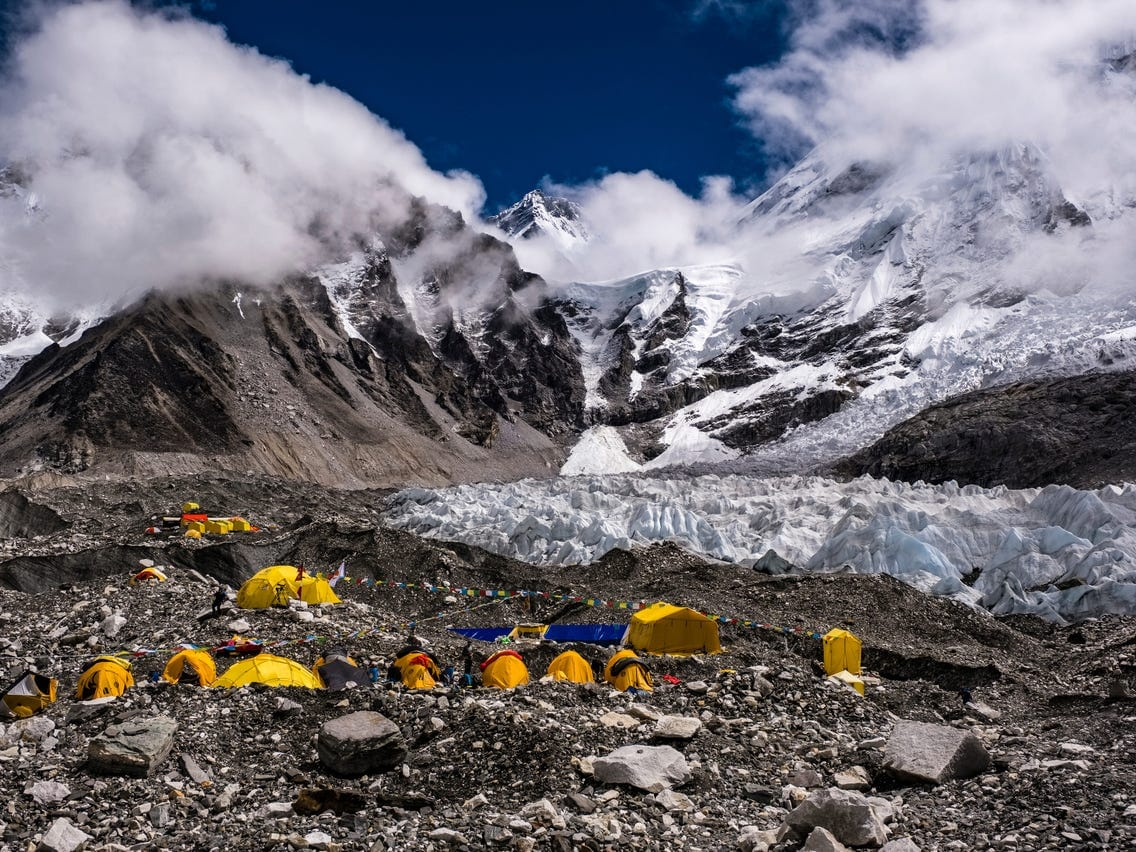
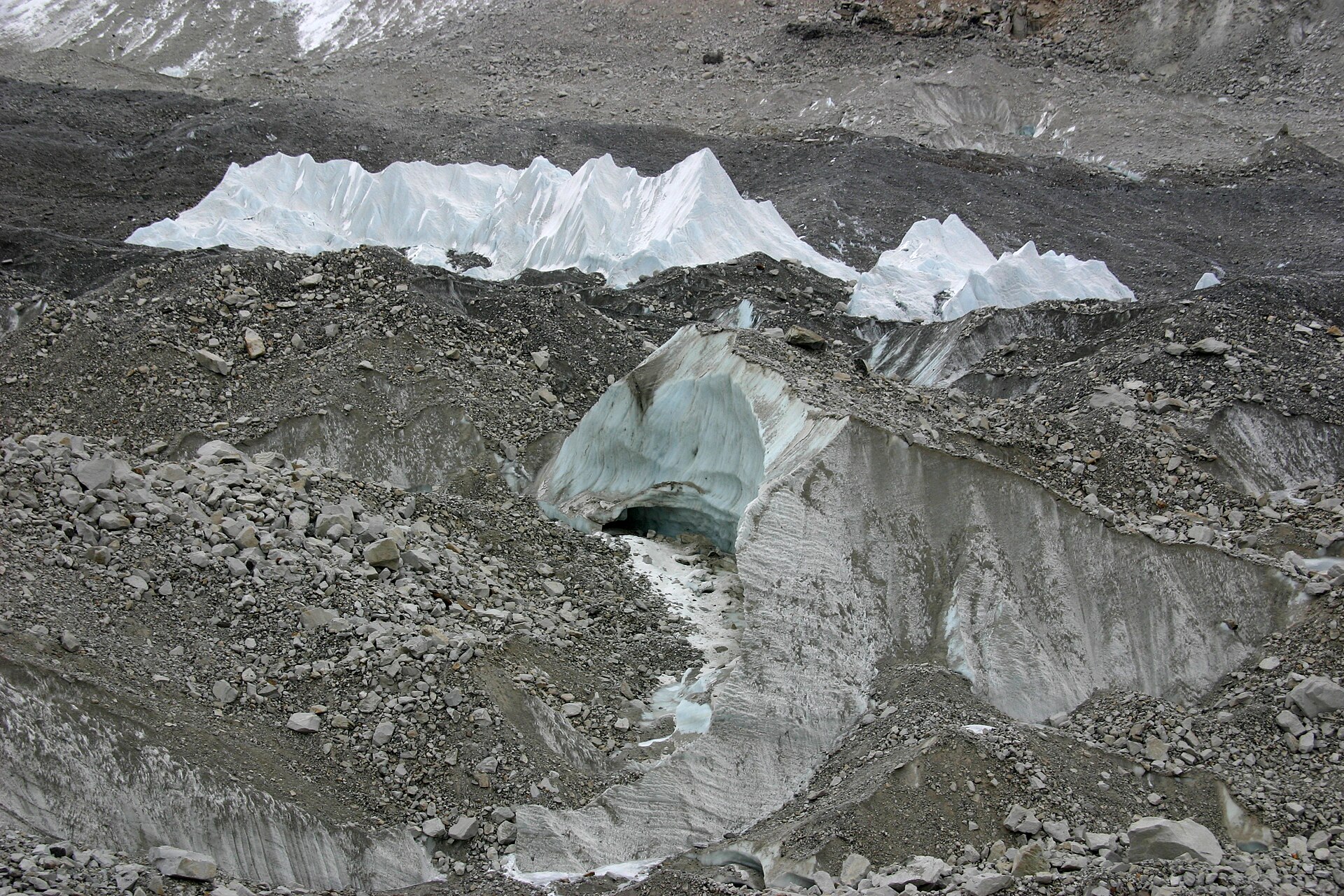
- Stand at Everest Base Camp (5,364 m) beneath the Khumbu Icefall
- Sunrise over Everest, Lhotse and Nuptse from Kala Patthar (5,545 m)
- The legendary mountain airstrip at Lukla
- Namche Bazaar — the bustling Sherpa trading hub
- Tengboche Monastery with its Ama Dablam backdrop
- Suspension bridges strung with prayer flags over the Dudh Koshi
Day-by-day itinerary
Most trekkers · two full acclimatisation days
Gallery
What's included — from $1,420
- ✓Government-licensed English-speaking trekking guide
- ✓Porter support (1 porter per 2 trekkers)
- ✓All teahouse / lodge accommodation on the trail
- ✓Three meals a day (breakfast, lunch, dinner) while trekking
- ✓All trekking permits and national-park / conservation-area fees
- ✓Ground transport between Kathmandu/Pokhara and the trailhead
- ✓Guide and porter wages, insurance, meals and lodging
- ✓Government taxes and official paperwork (TIMS where required)
- ✓Round-trip Kathmandu–Lukla flight (or Manthali in peak season)
- ✕International flights to and from Nepal
- ✕Nepal entry visa fee
- ✕Travel and high-altitude rescue insurance (mandatory)
- ✕Personal trekking gear and clothing
- ✕Meals in Kathmandu / Pokhara and on rest days in cities
- ✕Hot showers, Wi-Fi, device charging and bottled/boiled water on the trail
- ✕Tips for your guide and porter
- ✕Personal expenses and anything not listed under “included”
Best time to go
Frequently asked questions
How much does the Everest Base Camp trek cost in 2026?
A guided group EBC trek typically costs USD 1,200–1,600 per person, including guide, porter, teahouse lodging, meals on the trail, and all permits. The round-trip Lukla flight (~USD 400) is the biggest variable and is sometimes quoted separately. Budget extra for gear, travel insurance, tips, and meals in Kathmandu.
How hard is the Everest Base Camp trek?
EBC is graded Strenuous but non-technical — there is no climbing or rope work. The challenge is altitude (you reach 5,364 m) and consecutive days of 5–7 hours walking with steady ascent. Anyone with good general fitness who trains with hill walking and follows the acclimatisation schedule can complete it.
How many days do I need for Everest Base Camp?
The standard itinerary is 12–14 days round trip from Lukla, including two acclimatisation days (Namche and Dingboche). Faster 11-day options exist with a helicopter return, and 16–17 day variants add the Gokyo Lakes or Three Passes.
What permits do I need for the EBC trek?
You need the Sagarmatha National Park entry permit and the Khumbu Pasang Lhamu Rural Municipality permit. As of recent rules, the TIMS card is generally not required inside the Khumbu, but a licensed guide is mandatory. Lekaly bundles the correct permits for your nationality.
What is the best time to trek to Everest Base Camp?
Late September to November (autumn) offers the clearest skies and most stable weather, followed by March to May (spring). Winter is cold but clear with fewer crowds; the June–August monsoon brings rain, cloud and frequent Lukla flight delays.
Do I need a guide for Everest Base Camp?
Yes — since 2023, Nepal requires a licensed guide for trekkers in the national parks and restricted areas, including the Khumbu. A guide also dramatically improves safety, navigation and altitude management.
How do I avoid altitude sickness on EBC?
Follow the built-in acclimatisation days, ascend slowly (the “climb high, sleep low” rule), hydrate well, and never ignore symptoms. Many trekkers carry Diamox as a preventative — discuss it with your doctor. Lekaly’s app includes an AMS self-check based on the Lake Louise score.
Is the Everest Base Camp trek safe?
Yes, when done sensibly. The main risks are altitude illness and weather; both are managed by good pacing, a qualified guide, and mandatory rescue insurance. The trail is well-established with teahouses, clinics (Namche, Pheriche) and helicopter evacuation available.
Related treks
Ready to plan Everest Base Camp?
Get matched with vetted local agencies, or use the Lekaly app for offline maps, verified teahouse contacts and permit help.