
Overview
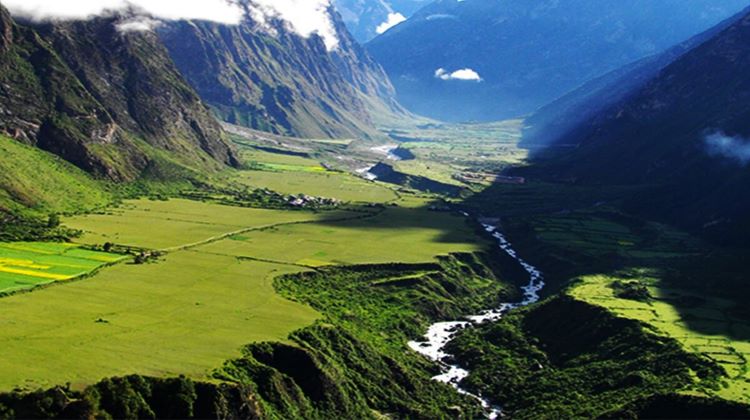
The Tsum Valley is a sacred, sealed-off Himalayan valley on the Tibetan border — a “hidden valley” (Beyul) of ancient Tibetan-Buddhist culture that only opened to trekkers in 2008. Tucked beside the Manaslu region, it carries a fraction of the foot traffic of Nepal’s famous circuits and preserves a living monastic culture that feels centuries removed from the modern world.
The trail climbs the Budhi Gandaki before branching into the Tsum Valley proper, passing chortens, mani walls and the monasteries of Mu Gompa and Rachen Gompa beneath a skyline of Ganesh Himal and Sringi Himal. It is a journey for travellers drawn to culture and solitude as much as to mountains.
As a restricted area it requires a special permit, a licensed guide and a minimum of two trekkers. It is often combined with the Manaslu Circuit for a longer, deeply cultural expedition. Spring and autumn offer the most reliable weather.
Highlights
- Enter a sacred “hidden valley” (Beyul) of Tibetan Buddhism
- Ancient monasteries at Mu Gompa and Rachen Gompa
- Mani walls, chortens and living monastic traditions
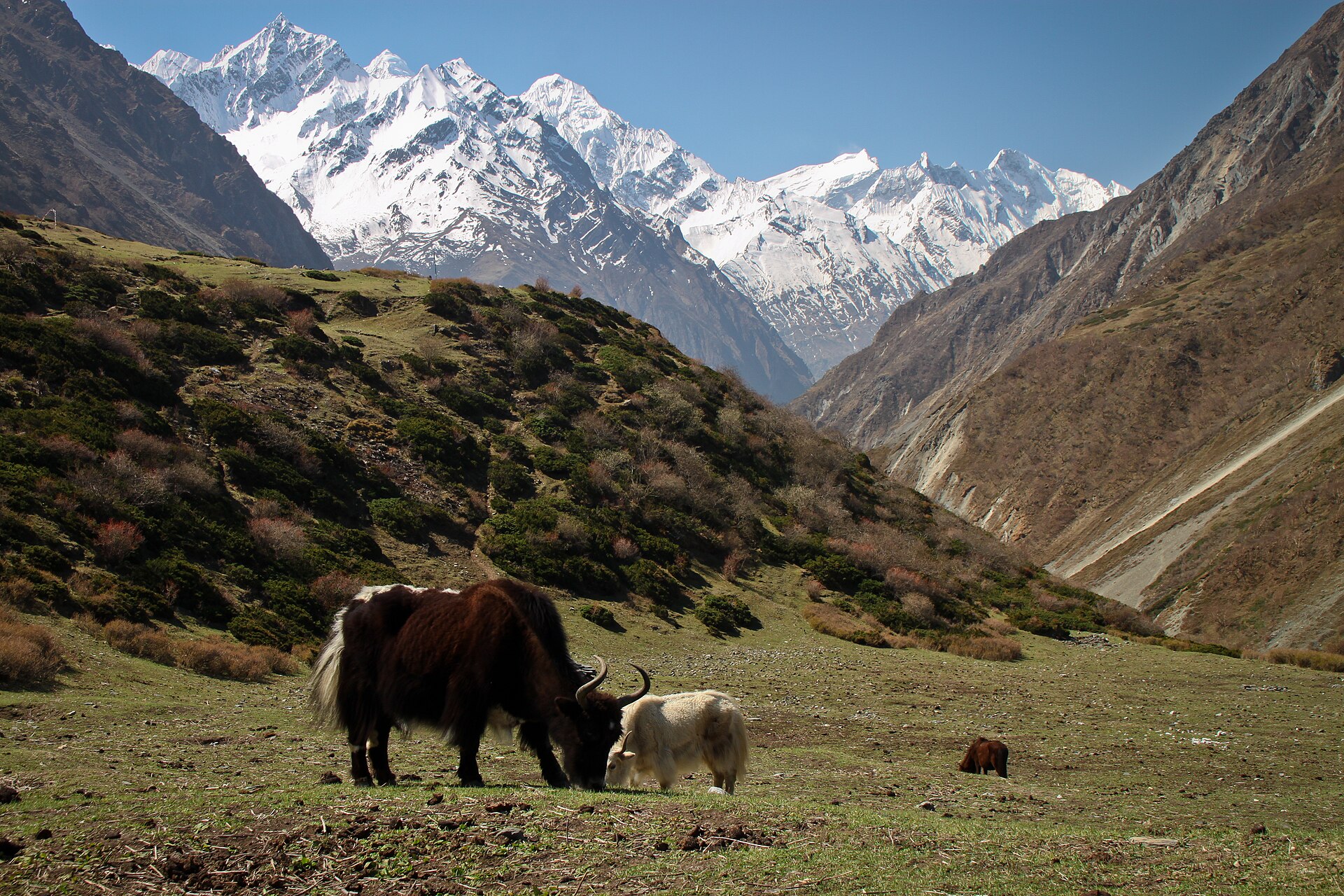
- Views of Ganesh Himal and Sringi Himal
- One of Nepal’s quietest, most culturally rich trails
- Combinable with the Manaslu Circuit
Gallery
What's included — from $1,650
- ✓Government-licensed English-speaking trekking guide
- ✓Porter support (1 porter per 2 trekkers)
- ✓All teahouse / lodge accommodation on the trail
- ✓Three meals a day (breakfast, lunch, dinner) while trekking
- ✓All trekking permits and national-park / conservation-area fees
- ✓Ground transport between Kathmandu/Pokhara and the trailhead
- ✓Guide and porter wages, insurance, meals and lodging
- ✓Government taxes and official paperwork (TIMS where required)
- ✓Tsum Valley Restricted Area Permit and MCAP
- ✕International flights to and from Nepal
- ✕Nepal entry visa fee
- ✕Travel and high-altitude rescue insurance (mandatory)
- ✕Personal trekking gear and clothing
- ✕Meals in Kathmandu / Pokhara and on rest days in cities
- ✕Hot showers, Wi-Fi, device charging and bottled/boiled water on the trail
- ✕Tips for your guide and porter
- ✕Personal expenses and anything not listed under “included”
Best time to go
Frequently asked questions
How much does the Tsum Valley trek cost in 2026?
A guided Tsum Valley trek typically costs USD 1,000–1,500 per person, including the restricted-area permit, conservation permits, mandatory guide and the two-person minimum. Combining it with Manaslu changes the total.
Do I need a special permit for the Tsum Valley?
Yes. The Tsum Valley is a restricted area requiring the Tsum Valley Restricted Area Permit plus the MCAP (and ACAP if continuing to Manaslu). A licensed guide and a minimum of two trekkers are mandatory.
How hard is the Tsum Valley trek?
It is graded Moderate to Strenuous. Altitudes are lower than the big passes, but days are long and the trail is remote with simple facilities. Good fitness and a flexible mindset are important.
How many days is the Tsum Valley trek?
A dedicated Tsum Valley trek runs about 12–14 days. Combined with the full Manaslu Circuit it becomes an 18–21 day journey.
When is the best time for the Tsum Valley?
October–November and March–April provide the most stable weather and clearest views. The monsoon makes the lower gorge wet, and winter is cold in the upper valley.
Can I trek the Tsum Valley solo?
No. As a restricted area it requires a minimum of two trekkers and a licensed guide arranged through a registered agency. Lekaly can group solo travellers to meet the requirement.
What makes the Tsum Valley special?
It is one of the most culturally intact valleys in the Himalaya — a sacred Beyul with ancient monasteries, a strong Tibetan-Buddhist identity, and very few trekkers. It is a cultural pilgrimage as much as a trek.
Should I combine Tsum Valley with Manaslu?
Many trekkers do — the two share the same approach, and combining them creates one of Nepal’s richest culture-and-mountain itineraries. It does require more time and a higher permit budget.
Related treks
Ready to plan Tsum Valley?
Get matched with vetted local agencies, or use the Lekaly app for offline maps, verified teahouse contacts and permit help.